
Albania Uncovered
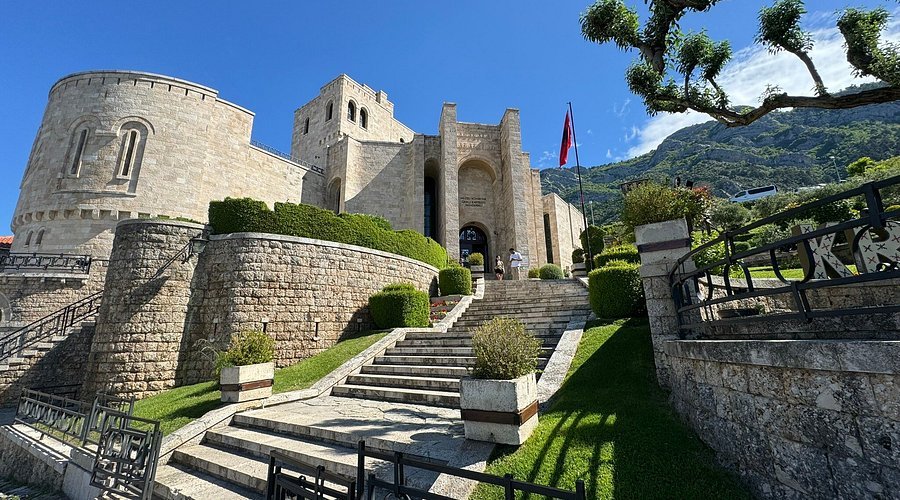
Some places hold history; others feel it. Kruja Fortress belongs entirely to the second kind. Perched proudly above the city, framed by rugged cliffs and sweeping skies, the fortress seems less like a structure and more like a heartbeat — one that has never stopped beating for Albania. Walking through its stone pathways feels like entering a story still in motion, a place where fear and freedom collide in ways impossible to ignore.
This post explores the deep psychological impact of Kruja Fortress — how places shaped by struggle influence human emotion, why ancient walls trigger instinctive awe, and what it means to stand where an entire nation once held its breath.
The moment you step through the entrance, time stretches. Stone arches rise around you, cold and unmoving, yet heavy with memory. History becomes a physical sensation — a pressure in the chest, a shiver in the air. Psychologists call this the “presence effect,” the feeling that past events still echo in the environment. In Kruja, this sensation is unmistakable. You sense the weight of courage, the shadow of fear, the intensity of survival.
Inside the fortress, the paths twist like thoughts. Narrow corridors suddenly open into wide courtyards, creating emotional contrast that the mind interprets as suspense. You feel anticipation without knowing why, as if something might appear around every corner — not danger, but memory. It is in these sudden transitions that Kruja becomes more than stone; it becomes a teacher. It shows you that fear and hope have always existed side by side.
The tower of Skanderbeg stands like a spine of the fortress, an anchor to the national psyche. Here, Albania fought not just for land, but for identity. For centuries, this place has symbolized resistance — a deep, instinctive refusal to surrender. When you stand at the edge of the wall and look out over the sweeping landscape below, the mind cannot help but imagine what it meant to defend this place. The sensation is part pride, part sorrow, part awe.
Kruja is a place where courage becomes a feeling rather than a concept. The fortress was built to protect, but it also absorbs the emotion of those who lived, fought, and died within its walls. This phenomenon, known as emotional imprinting, explains why visitors often describe the fortress as “alive.” The stones are silent, but the atmosphere speaks. It vibrates with echoes of determination and the memory of people who refused to bow.
At sunset, the fortress transforms again. The golden light softens the harsh stone, creating a quiet melancholy that settles over the land. From the ramparts, shadows stretch far into the valley, and the air becomes still, as if the fortress itself is remembering. Psychologists say that spaces associated with collective struggle trigger deep reflection, reminding us of the fragility of life and the strength of unity.
Kruja Fortress is not simply a landmark — it is a psychological landscape. A place where fear once lived, but freedom survived. Standing here, you feel the pull of history, the weight of sacrifice, and the undeniable truth that some walls protect more than territory — they protect identity.
If you stood where a nation once chose courage over fear, what part of your own life would you finally choose to fight for?
No photos available for this destination.